-
Exams
-
- Primary FRCA
- Primary VivaPopular
- Resources
-
- Final FRCA
- Final FRCA Viva
- Resources
-
- Final FICM
- Final FICM Viva
- FICM Resources
-
- How it Works?
- Calendar
Preparing for the Primary FRCA can be overwhelming, but the right resources can make all the difference. This guide includes recommended books, online tools, and courses to help you build your revision strategy.
Textbooks remain the foundation of FRCA preparation. Below are the most recommended books, grouped by subject area.
Authors: Matthew E. Cross, Emma V. E. Plunkett
Cambridge University Press, 6 Mar 2014 - 432 pages
A key requirement of the primary and final FRCA examinations is a sound understanding of the basic sciences behind anaesthetic practice. It is important to be able to describe these principles clearly, particularly in the viva section of the examinations. This fully updated new edition of a key title in the field of anaesthesia provides all the important graphs, definitions and equations which may be covered in the examinations, together with clear and concise explanations of how to present them to the examiner and why they are important. Packed full of precise, clear diagrams with well structured explanations, and with all key definitions, derivations and statistics, this is an essential study aid for all FRCA examination candidates.
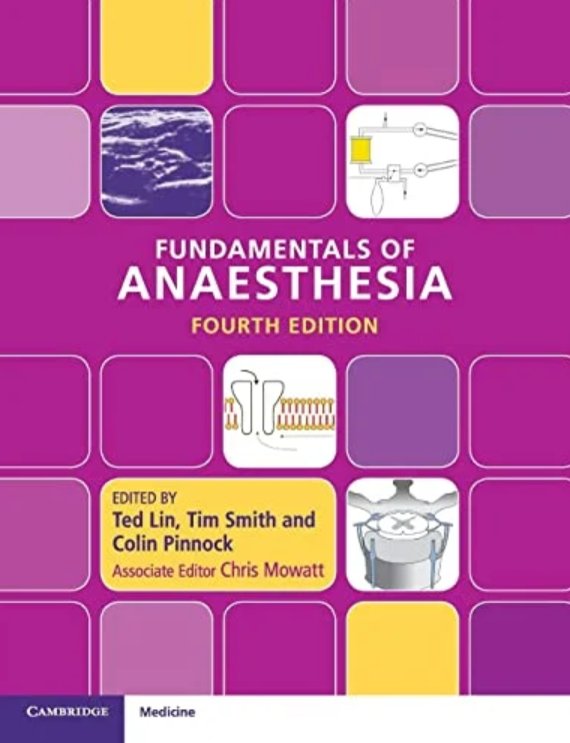
Authors: Ted Lin, Tim Smith, Colin Pinnock, Chris Mowatt
Cambridge University Press, 2016 - 983 pages
Fundamentals of Anaesthesia is the gold standard text for the Primary FRCA, encapsulating the basic principles of modern anaesthesia in one easily accessible volume. Written and edited by experts with extensive FRCA examination experience, this text deliberately blends the expertise of invited authors in an unrivalled consistency of style more akin to that of a single author text. All of the subject matter required to pass the exam is condensed into an easy-to-read format.
This fully updated fourth edition includes new guidelines, an improved chapter structure, and a new section on clinical ultrasound. The generous use of summary boxes, bullet points, tables and diagrams creates a text that is clear, concise and easy to navigate. Each section covers one of the four components of the SOE. This is a unique revision aid for the Primary FRCA and an essential companion for all exam candidates.
- Fourth edition has been updated to reflect changes in FRCA curriculum and advances in practice
- Written with needs of trainee anaesthetists in mind and so it is focused on key areas to complement both their clinical work and preparation for exams
- Diagrams are deliberately simple to allow easy reproduction during an oral examination or in the operating theatre
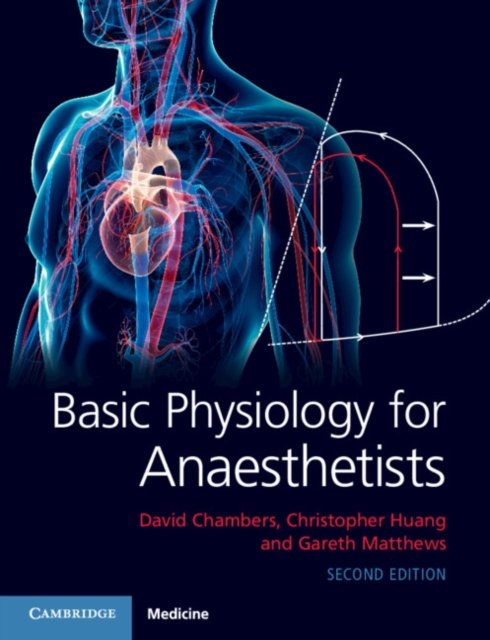
Authors: David Chambers, Christopher Huang, Gareth Matthews
Cambridge University Press, 25 Jul 2019 - 464 pages
Every trainee in anaesthesia requires a thorough understanding of basic physiology and its application to clinical practice. Now in its second edition, this comprehensively illustrated textbook bridges the gap between medical school and reference scientific texts. It covers the physiology requirements of the Primary FRCA examination syllabus. Chapters are organised by organ system, with particular emphasis given to the respiratory, cardiovascular and nervous systems. The practical question-and-answer format helps the reader prepare for oral examinations, while 'clinical relevance' boxes translate the physiological concepts to clinical practice. This new edition has been thoroughly updated and revised throughout, and includes six new chapters, including the physiology of the eye, upper airway and exercise testing. It provides junior anaesthetists with an essential 'one stop' physiology resource.
When starting to prepare for your SOE/OSCE Primary exam, we would suggest you follow the following steps:
Structured teaching can provide momentum and help you stay accountable. Below are in-person and online course options. We recommended you do at least a preparatory course for the exam. You need to get out of your comfort zone and make sure that you can not only understand concepts by reading, but also be able to explain those to others. To do that you need to practice as much as possible.